


The concept of the Pyramid composition in photography, also known as Triangular composition or the rule of thirds applied diagonally,
The use of triangular or pyramid-like compositions can be traced back to classical art. Painters and artists often arranged elements in triangular formations to achieve balance and harmony in their works. Examples are Sandro Botticelli’s “The Birth of Venus” (c. 1484–1486), Raphael’s “The School of Athens” (1509–1511), Rembrandt van Rijn’s “The Anatomy Lesson of Dr. Nicolaes Tulp” (1632), Michelangelo Buonarroti’s sculpture “Pieta” (1498–1499).

The photos published on this page are a matter of copyright.
Photo credits to: Seg Kirakossian
Author

segkirakossian@gmail.com
Related Posts

EcoDocu 2024 — Memories from Barcelona
Over the past decade, I have had the privilege of leading a series of documentary filmmaking trainings aimed at empowering youth workers,...
Read out all
Stronger Composition: Juxtaposition
Think about placing a sleek modern chair next to an intricately carved antique one in a photograph. The stark contrast between their...
Read out all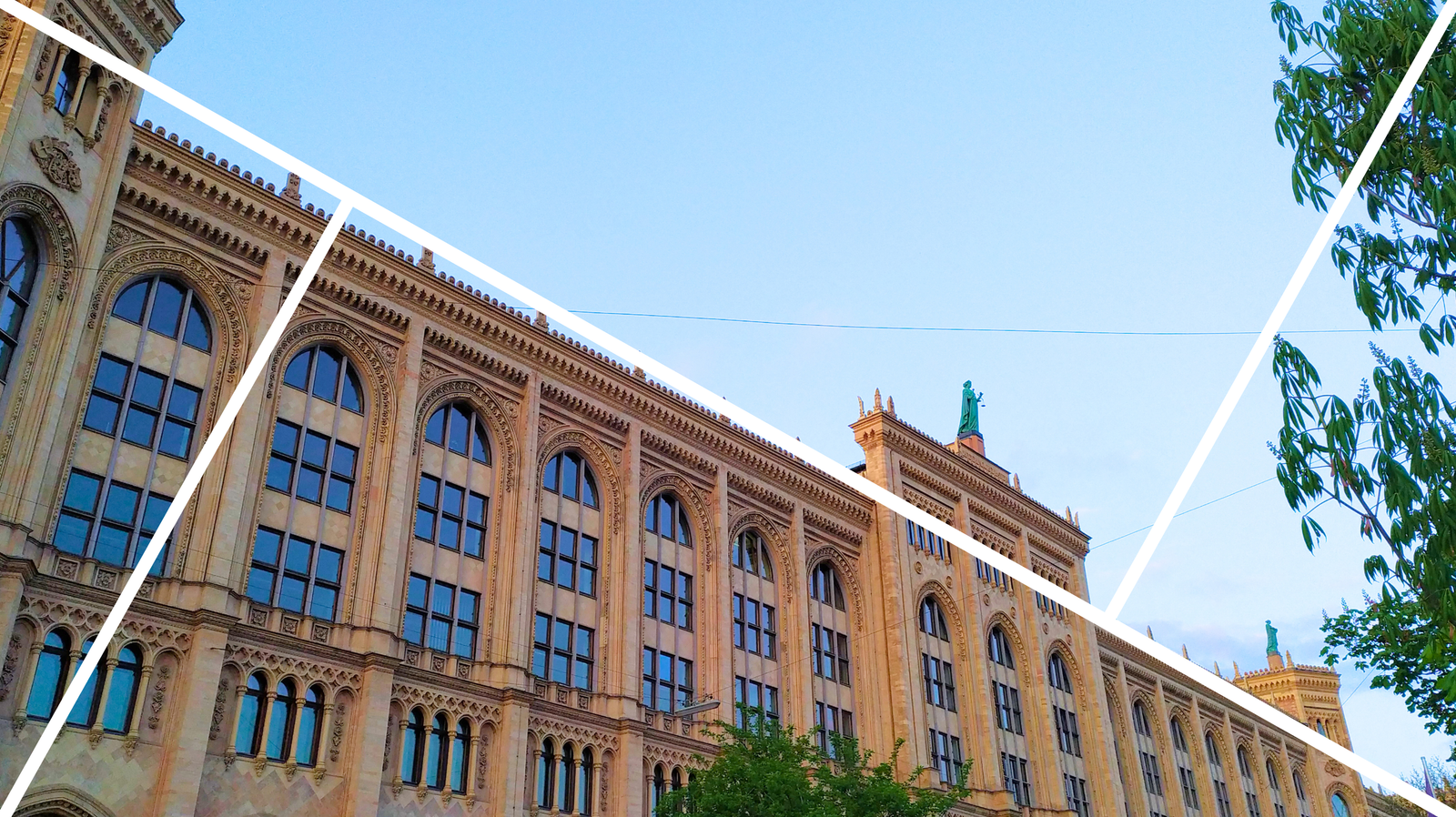
Stronger Composition: Golden Triangles
Think about cutting a sandwich diagonally into two triangles — it feels different than just cutting it straight across, right? That’s how...
Read out all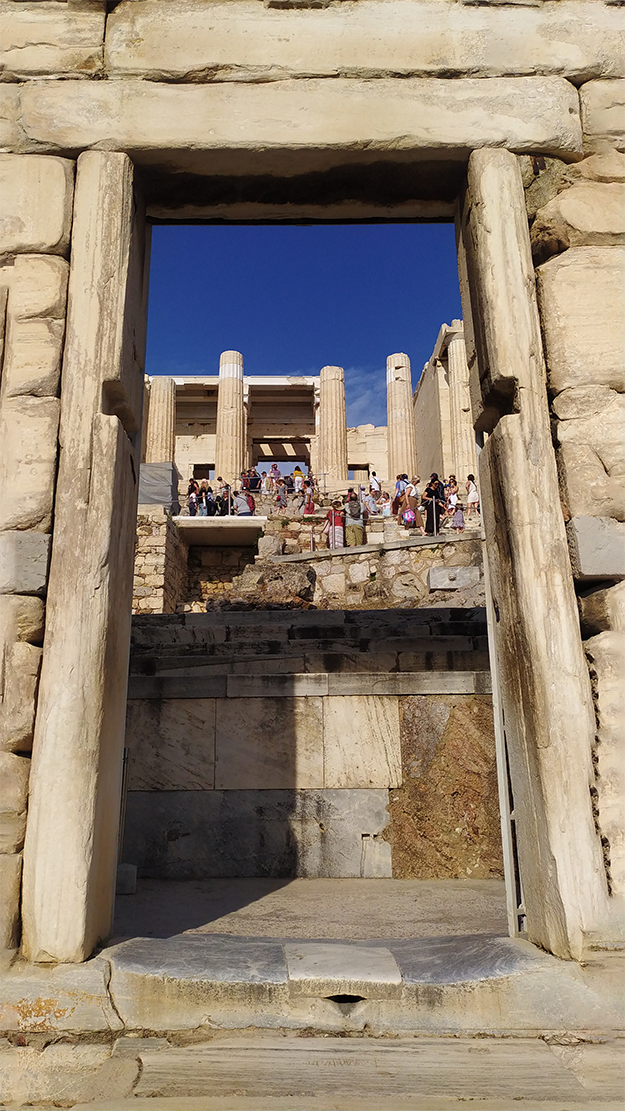
Stronger Composition: Frame Within the Frame
It could be a person, an object, or a scene that you want to highlight and draw attention to.
Read out all
Stronger Composition: Leading Lines
The primary purpose of leading lines is to draw attention to the main subject or focal point of the image. Whether it's...
Read out all
Stronger Composition: Golden Ratio
0, 1, 1, 2, 3, 5, 8, 13… This is called Fibonacci sequence — a series of numbers where each number is...
Read out all