


The concept of the Pyramid composition in photography, also known as Triangular composition or the rule of thirds applied diagonally,
The use of triangular or pyramid-like compositions can be traced back to classical art. Painters and artists often arranged elements in triangular formations to achieve balance and harmony in their works. Examples are Sandro Botticelli’s « The Birth of Venus » (c. 1484–1486), Raphael’s « The School of Athens » (1509–1511), Rembrandt van Rijn’s « The Anatomy Lesson of Dr. Nicolaes Tulp » (1632), Michelangelo Buonarroti’s sculpture « Pieta » (1498–1499).

The photos published on this page are a matter of copyright.
Photo credits to: Seg Kirakossian
Auteur/autrice

segkirakossian@gmail.com
Publications similaires

EcoDocu 2024 – Memories from Barcelona
Over the past decade, I have had the privilege of leading a series of documentary filmmaking trainings aimed at empowering youth workers,...
Lire la suite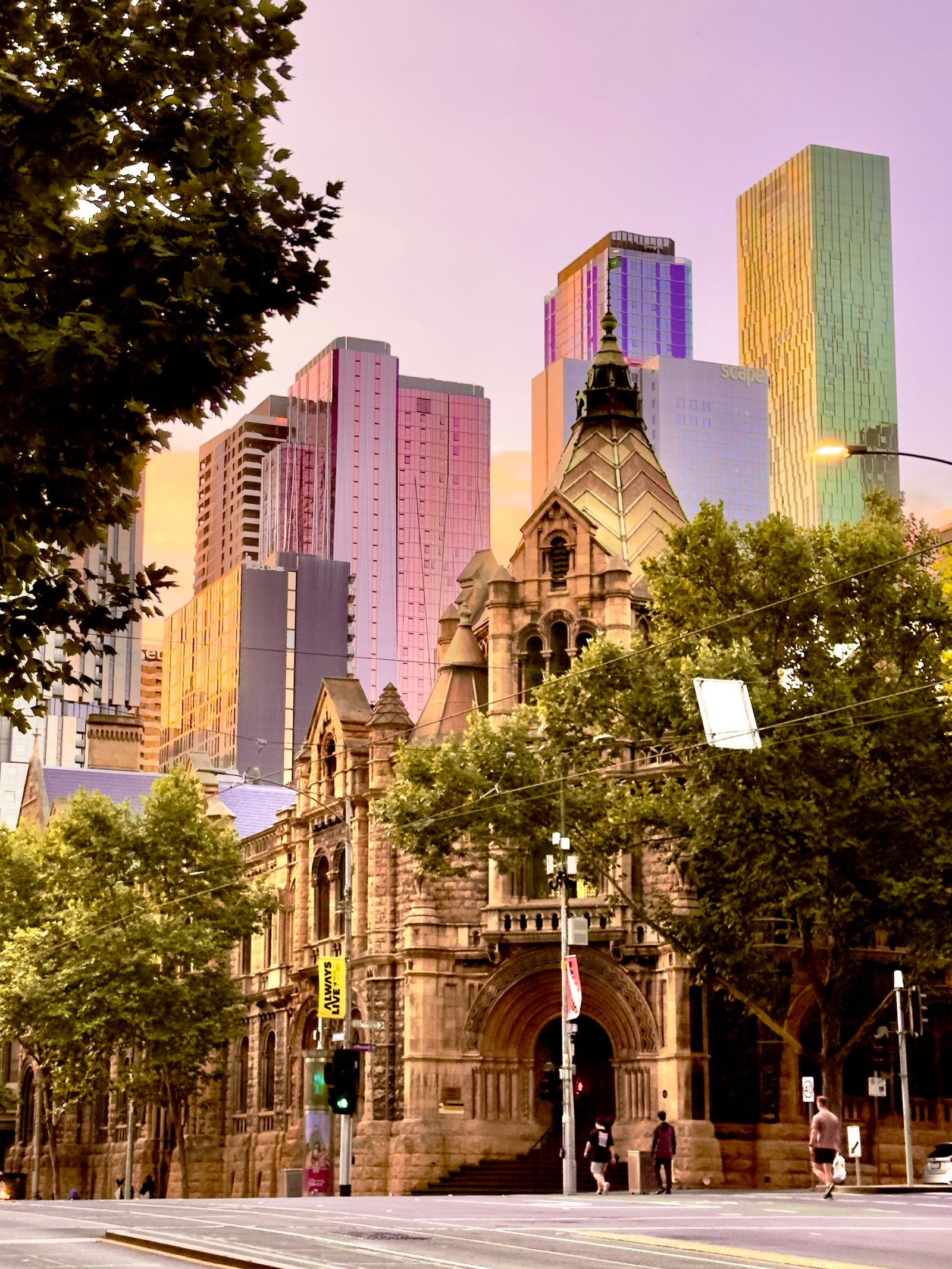
Stronger Composition: Juxtaposition
Think about placing a sleek modern chair next to an intricately carved antique one in a photograph. The stark contrast between their...
Lire la suite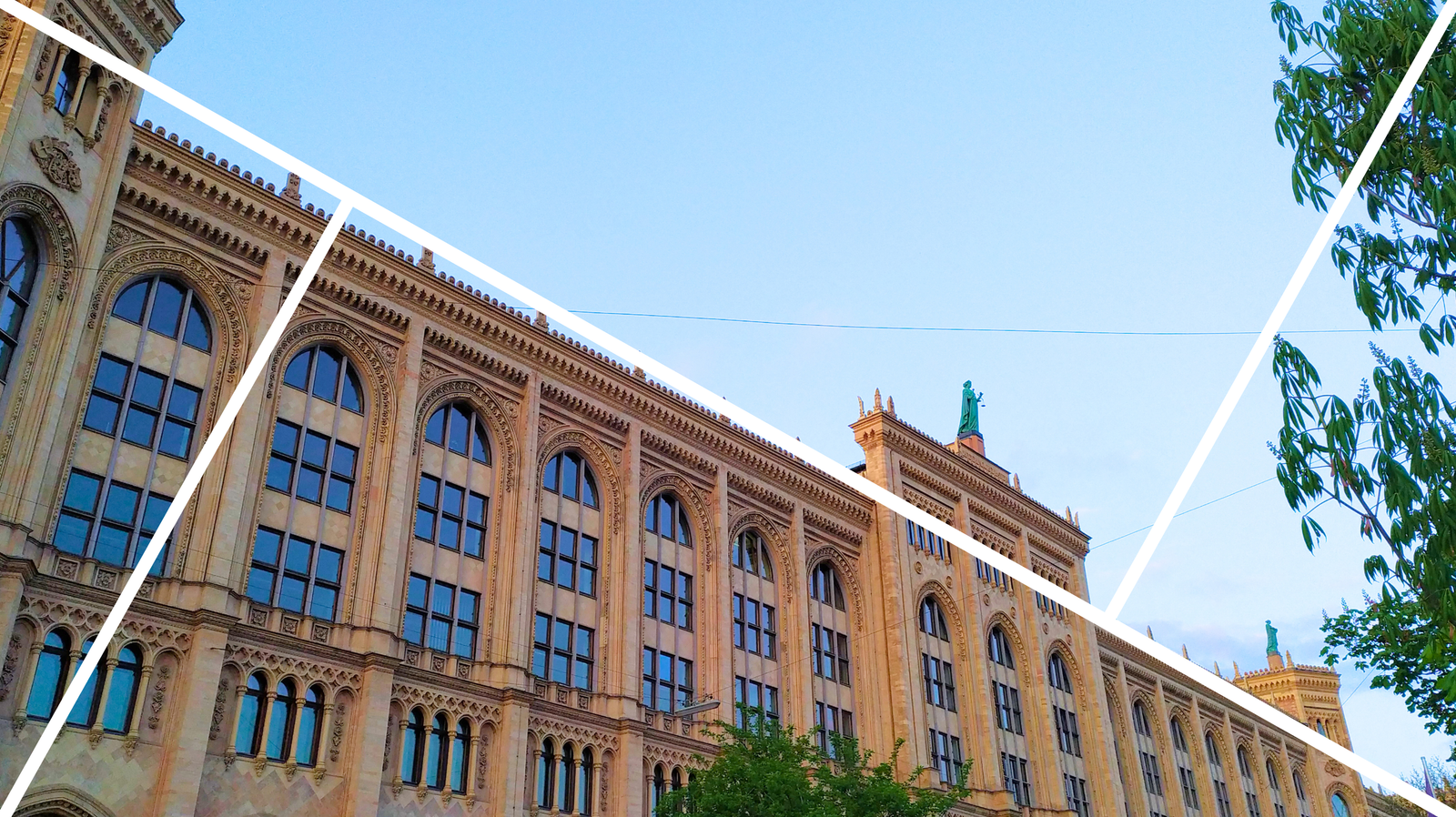
Stronger Composition: Golden Triangles
Think about cutting a sandwich diagonally into two triangles – it feels different than just cutting it straight across, right? That’s how...
Lire la suite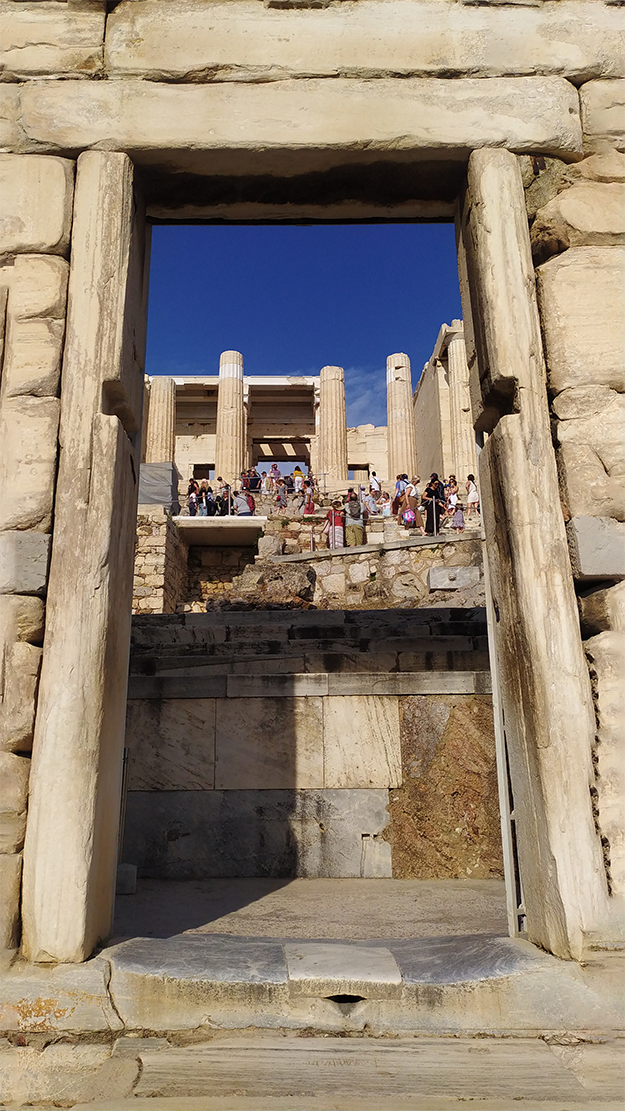
Stronger Composition: Frame Within the Frame
It could be a person, an object, or a scene that you want to highlight and draw attention to.
Lire la suite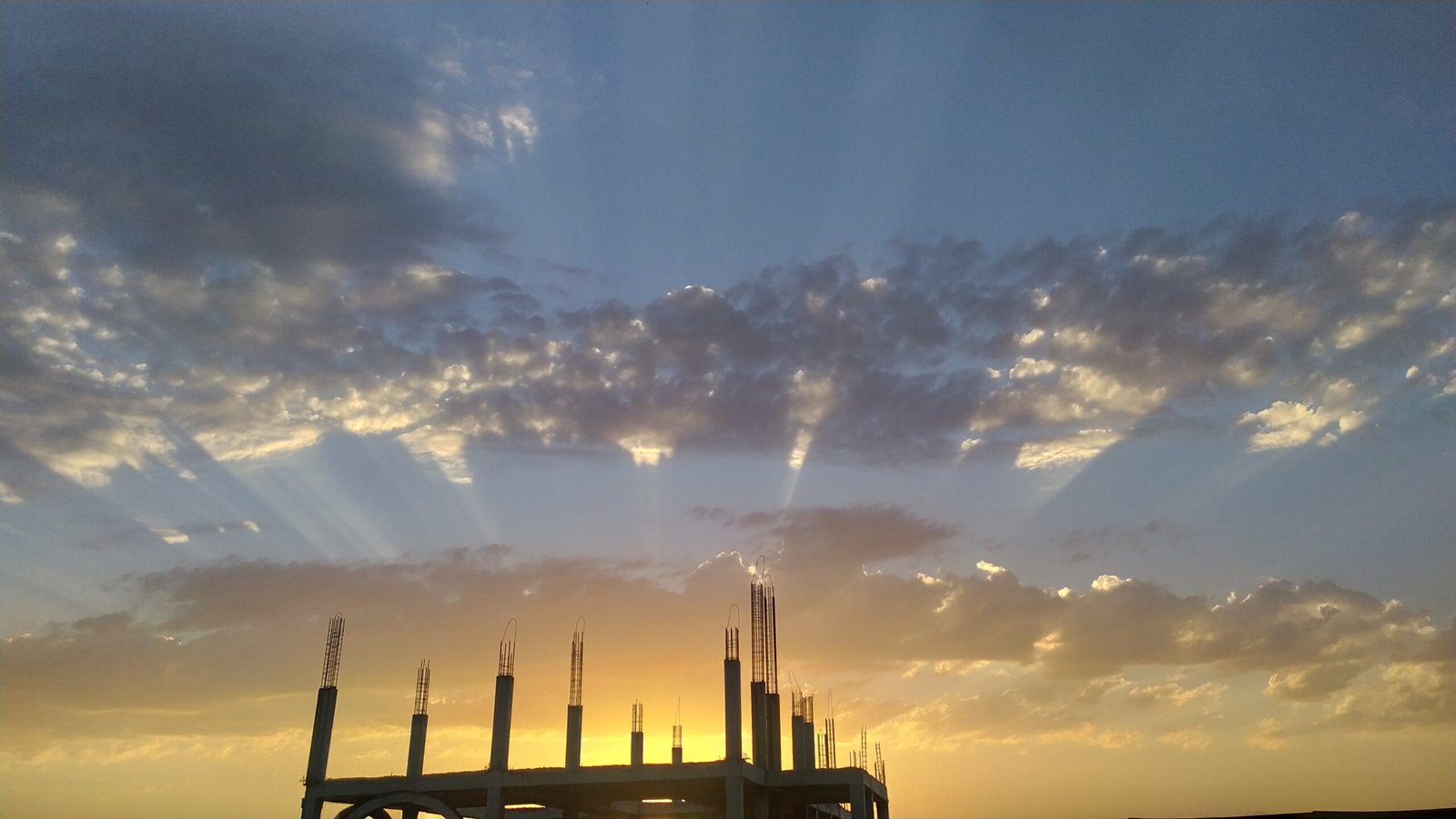
Stronger Composition: Leading Lines
The primary purpose of leading lines is to draw attention to the main subject or focal point of the image. Whether it's...
Lire la suite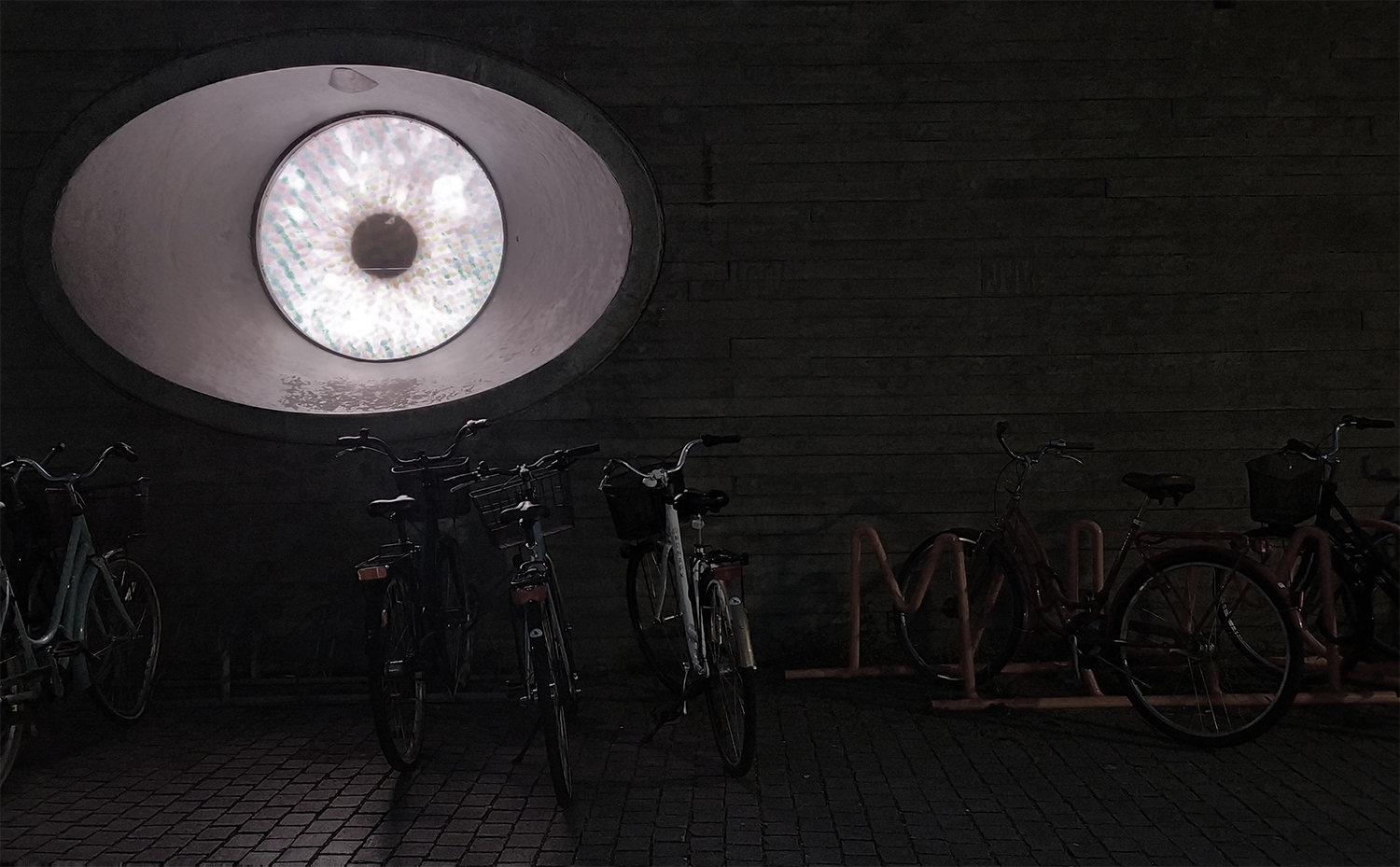
Composition Forte: Golden Ratio
0, 1, 1, 2, 3, 5, 8, 13… C’est ce qu’on appelle la suite de Fibonacci – une série de nombres où...
Lire la suite